Jenae Torrez
Article • 6 min read
Your Cell Health Depends on Water Quality
Introduction
70 to 90% of your body's cells are made of water. Every cell, every tissue, and every organ relies on water to function. So when the water you drink is loaded with contaminants, your cells are the first to pay the price.
We usually think of water as just a way to stay hydrated. But water is the environment your cells live in. The quality of that environment directly shapes the quality of your health.
Water Inside Your Cells
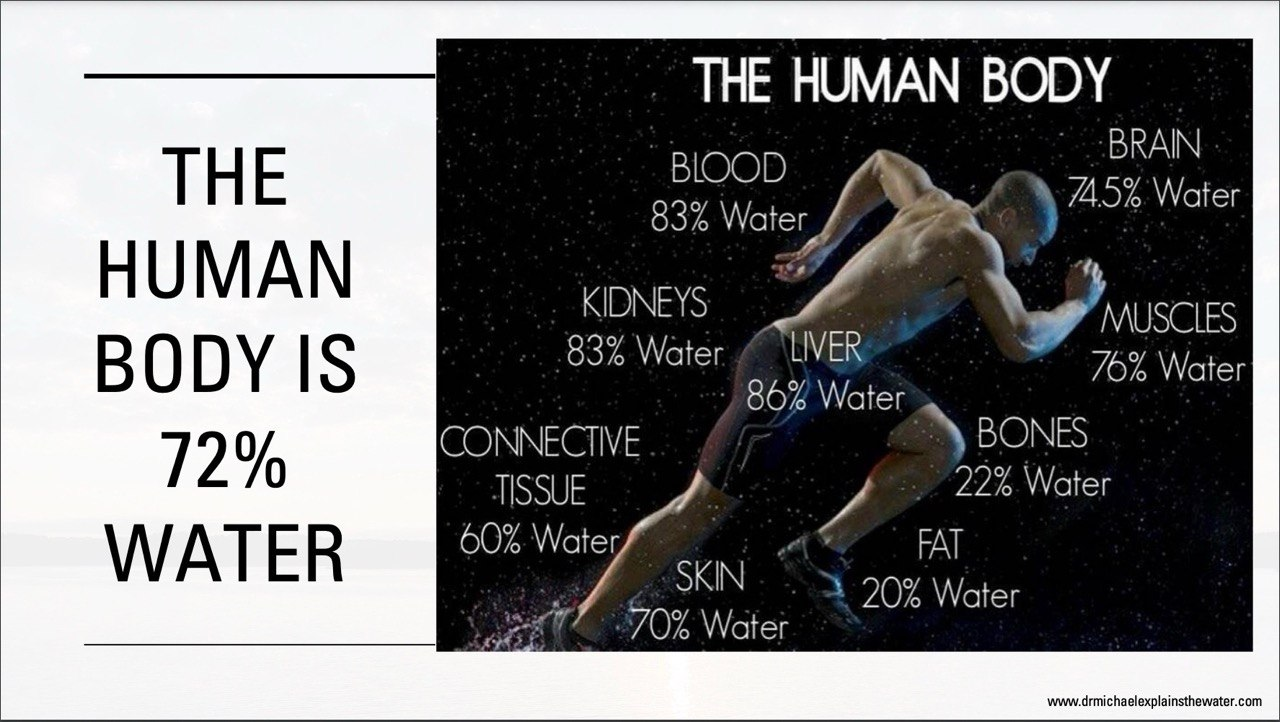
The human body is roughly 72% water, and inside each cell, water is the medium that carries nutrients in and waste out. It powers chemical reactions, maintains temperature, and keeps cell membranes flexible and functional.
When the water you drink is clean and mineral-rich, cells can do their job efficiently. When it is contaminated, the body has to work harder to filter out toxins before they ever reach the cellular level.
How Contaminants Reach Your Cells
According to the EWG's Tap Water Database, drinking water across the U.S. contains 324 contaminants, including PFAS, heavy metals, volatile organic compounds, and disinfection byproducts. Once swallowed, many of these pass through the digestive tract and into the bloodstream, where they circulate throughout the body.
PFAS, for example, have been detected in nearly every American's blood, including newborns. These "forever chemicals" accumulate in the body and do not break down, meaning the exposure from every glass of unfiltered tap water adds up over time.
Oxidative Stress and Your Cells
Many tap water contaminants, including heavy metals and disinfection byproducts, promote oxidative stress. Oxidative stress happens when free radicals overwhelm the body's ability to neutralize them, damaging cells, proteins, and DNA.
Over time, this kind of cellular damage is linked to aging, inflammation, and chronic disease. This is why water with a negative oxidation-reduction potential is often discussed. It is measured in lab tests to counter free radicals instead of adding to the oxidative load.
Hydration Quality Matters
Not all water hydrates equally. The structure and mineral content of water affect how easily it passes into your cells. Water that is properly mineralized and micro-clustered is absorbed more efficiently, delivering hydration where it is needed most.
When you drink water that is both clean and structured for cellular absorption, you are not just quenching thirst. You are drinking clean, fresh water every day.
Conclusion
Your cells are mostly water, and the quality of that water shapes the quality of your health. When tap water carries hundreds of contaminants, it is not just a taste issue, it is a cellular issue.
Filtering and ionizing your water is one of the most direct ways to reduce your exposure to tap water contaminants. Clean, fresh water supports good everyday hydration.
Source: EWG Tap Water Database
These statements have not been evaluated by the Food and Drug Administration. Our products are not intended to diagnose, treat, cure, or prevent any disease. Talk with your doctor about any health questions.
Back to Home